(Cancelled) Atomic City: In Conversation
Saturday 20th May, 2023
Due to unforeseen circumstances we’re not able to go ahead with Atomic City: In Conversation. We’re very disappointed to cancel the event. We hope to rearrange these talks and discussions for later in the year, and will let you know when we have more details. We apologise for any inconvenience and disappointment.
The Atomic City project is inspired by a particular moment at Birmingham University in March 1940, when an Austrian and a German physicist calculated that building an atomic 'super bomb' would take a fraction of the uranium previously thought. The Frisch-Peierls Memorandum was a significant step towards the Manhattan Project and the subsequent development of nuclear technology. It was not a moment to celebrate, but there's no doubt that it had huge implications - for science, and for the whole world.
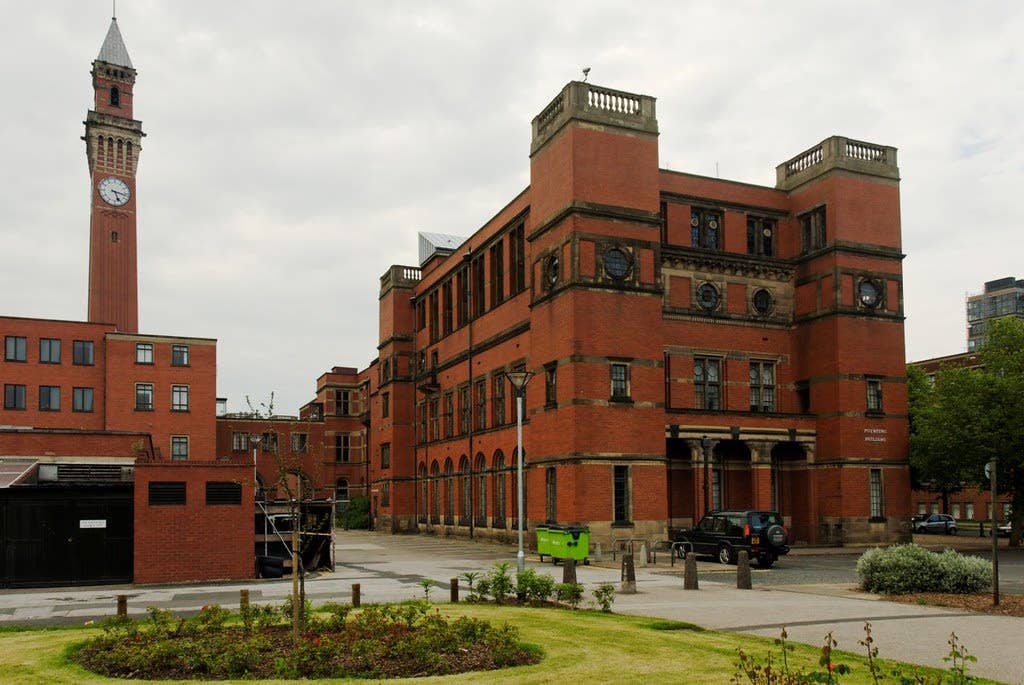
Today's event will take place a stone's throw from where Otto Frisch and Rudolf Peierls worked, and it's a rare opportunity to hear a range of perspectives from artists, scientists and historians on different aspects of the nuclear age.
10:30
**Yhonnie Scarce and Warren Harper: Decoding Nuclear Landscapes
**
Two artists will be joining us via zoom to reflect on their practice, in both cases shaped by their experience of nuclear landscapes and an interest in nuclear colonialism.
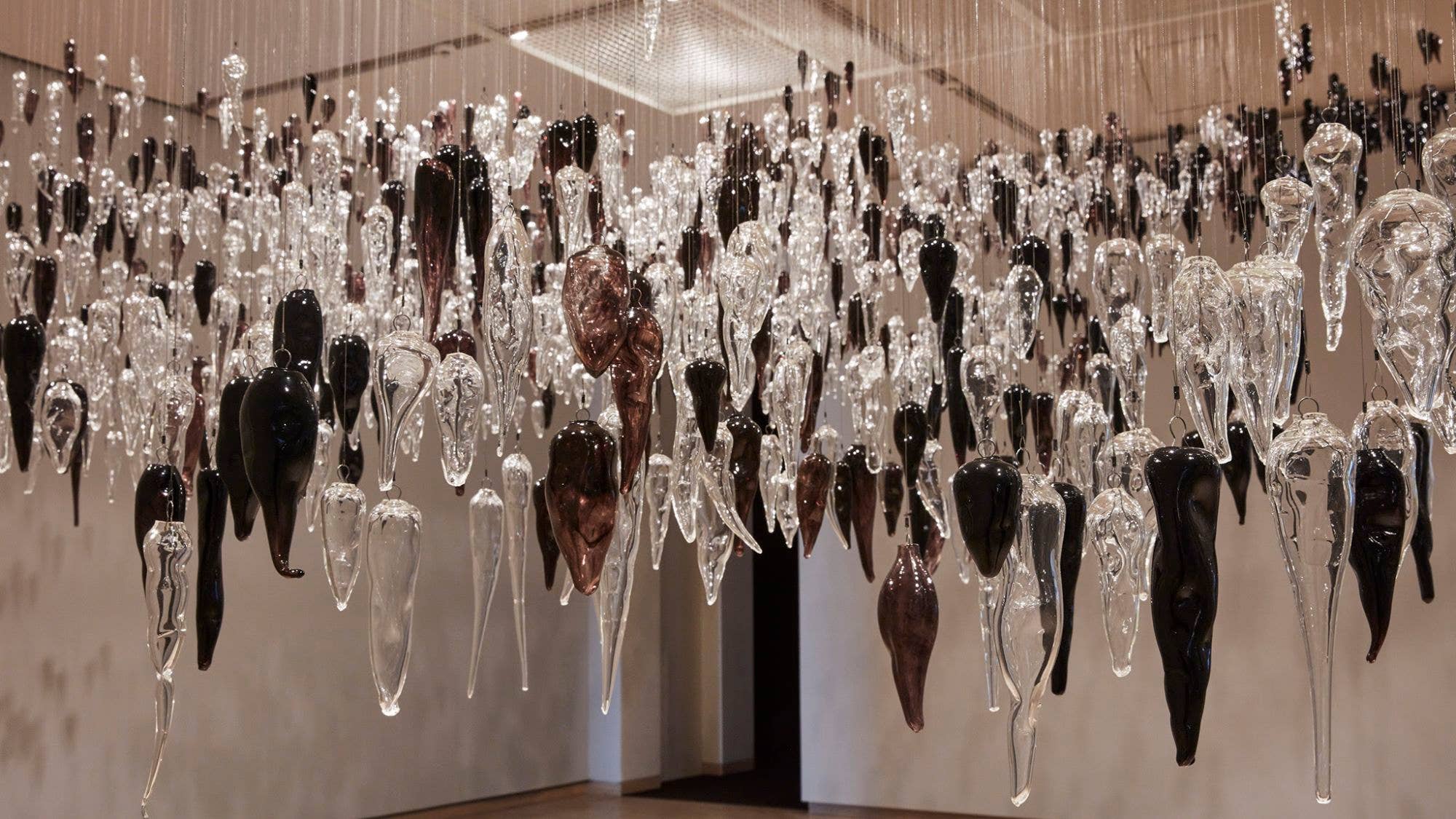
Yhonnie Scarce works primarily with glass, and has made a series of works inspired by the effects on indigenous communities of British nuclear testing at Maralinga in southern Australia between 1956 and 1963. Scarce recently completed a residency with Ikon Gallery in Birmingham, where she spent some time exploring the university's archives.
Warren Harper grew up in Essex and his curatorial and research work is rooted in an exploration of the areas around the Blackwater Estuary and Foulness Island. Emerging from this is an ongoing collaboration with artist Gabriella Hirst, whose durational gardening project How to Make a Bomb saw a bed of 'Atom Bomb' roses planted on former MOD land in Shoeburyness back in 2021.
12:00<br Lunch break - a free buffet will be provided at the Poynting Building
13:00
**Rudolf Peierls: A Tennis Player and not a Golfer
**
One of the two men behind the Frisch-Peierls Memorandum, Rudolf Peierls stayed on at Birmingham until 1963 before moving on to Oxford University where the centre for theoretical physics now bears his name. In this talk Prof Sabine Lee (University of Birmingham) will explore Peierls' background in Europe, his experiences in 30s and 40s Birmingham where he was considered an ‘enemy alien’, and the physicist’s later involvement in campaigning for nuclear disarmament.
14:00
**Klaus Fuchs: The Most Dangerous Spy in History?
**
Himself a respected nuclear physicist, Prof Frank Close has written a compelling account of the espionage work which gave the Russians access to key intelligence on the US-UK nuclear programme. Rudolf Peierls' assistant Klaus Fuchs followed him from Birmingham to Los Alamos, and throughout the 1940s maintained ties with Soviet handlers until finally being unmasked in 1949 and imprisoned in 1950.
15:00
Jo Hookway in Conversation
We're delighted to welcome Jo Hookway back to the city where she grew up, to provide a more personal perspective on her father Rudolf Peierls' work and life.
15:30
**Nuclear Physics Today
**
To close the day we welcome Prof Paul Norman to talk about some of the relevant research work being done at Birmingham today. Paul teaches on the MSc course The Physics and Technology of Nuclear Reactors, a course first established in 1956 during Rudolf Peierls’ time here.
The Poynting Building is located close to the Barber Institute on the University campus - see here for directions.
Pictured: Death Zephyr, Yhonnie Scarce (image credit Felicity Jenkins)