
BFI FAN CON 2026
There’s something slightly strange about conferences. You spend two days talking intensely about the thing you already spend most of your time talking about and leave with 47 new ideas for projects you definitely don’t have capacity to deliver.
BFI FAN CON brought colleagues from across the UK film exhibition sector to Tyneside Cinema for two days of conversations, provocations and practical sessions. I came away thinking a lot about what cinema can be, and, perhaps more importantly, how long it can take to make something work.
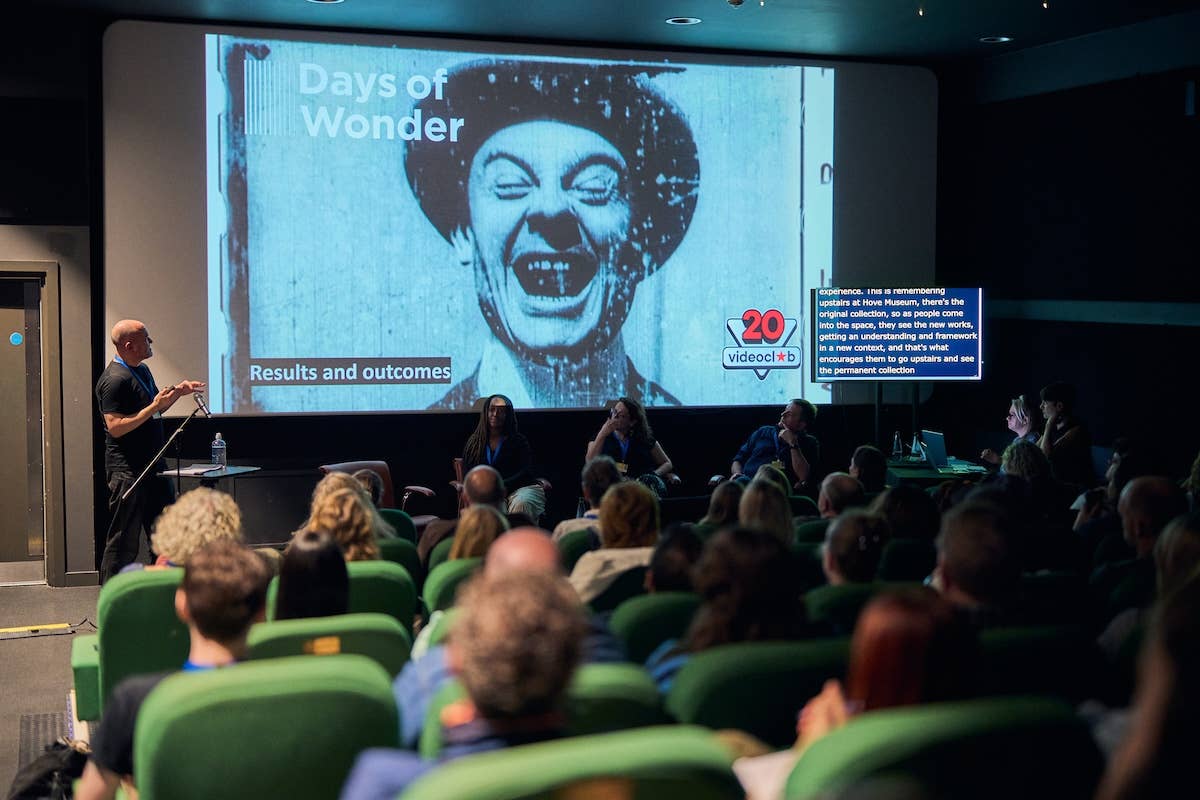
One of my highlights was Engaging Audiences with Archive. The session looked at two projects taking archive film beyond traditional cinema spaces. videoclub’s Days of Wonder uses archive footage as the basis for immersive exhibitions and events, combining historic film with interactive displays and newly commissioned work. Undocumented, meanwhile, is a collaboration between London’s Screen Archives and The New Black Film Collective exploring the absence of Black home movies and personal stories from UK film archives.
That absence really stayed with me. Archives don’t simply preserve an objective version of our collective past; what survives depends on who had the means and opportunity to record their lives, whose material was considered worth keeping, and who had relationships with the institutions doing the collecting. Undocumented has not only created opportunities for audiences to encounter those missing histories, but resulted in personal footage being acquired into the archive itself. It’s audience development, cultural preservation and a small act towards correcting the historical record all at once.
These are ambitious projects. They require significant investment, partnerships and time. But they also demonstrate what becomes possible when archive film is treated as something living rather than something locked away on a shelf.
The theme of what cinemas can do beyond the expected continued in New Technologies and New Opportunities for Storytelling in Cinemas, led by Broadway’s Lee Nicholls and drawing on Film Hub Midlands’ Broader Screen Content project.
“Broader Screen Content” covers video games, VR, AR, XR, mixed reality and other interactive forms of storytelling. The project explores how cinemas might begin incorporating new types of media into their programmes.
Lee did a great job of demystifying all of that. Rather than suggesting everyone immediately needs to buy twelve VR headsets and become an immersive-media expert, he gave exhibitors practical tools for thinking through what a Broader Screen event might actually look like in their venue.
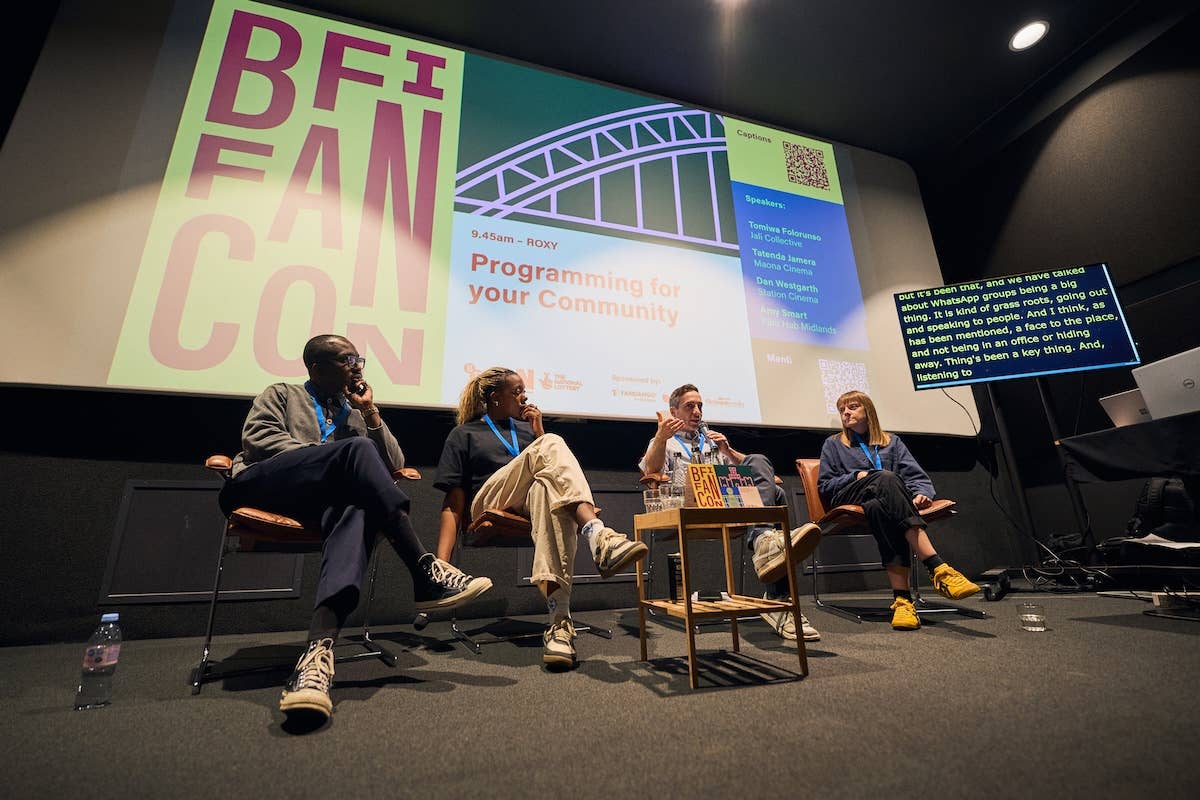
I also chaired a session on Programming for Your Community, bringing together three organisations (Jali Film Collective, Station Cinema & Maona Arts) using programming to build meaningful relationships with their audiences, including work around African cinema and refugee communities.
A topic I was particularly interested in exploring with the panel was time.
Cinemas can be guilty of trying something once, discovering that 14 people turn up, deciding “well, apparently nobody wants African cinema/climate films/archive/insert-anything-slightly-risky-here”, and never doing it again.
Across that session, and another about committing to programming films engaging with the climate crisis, the same message kept emerging: you have to play the long game.
Audiences need to learn that something is for them. Communities need time to trust you. Word of mouth needs time to spread. Programmers need time to learn what works and what doesn’t. Sometimes the first event won’t work. Nor will the third. That doesn’t necessarily mean the idea is wrong.
Give something a year, however, and the results can look very different.
It’s an obvious lesson, perhaps, but an important one in a sector where financial pressures understandably make experimentation difficult. If we want to reach different audiences, programme different stories and rethink what our spaces can be used for, we also have to create enough room for those ideas to fail a little before they succeed.
And then, of course, there is the other vital function of a conference: spending time with people away from meeting rooms and Zoom calls.
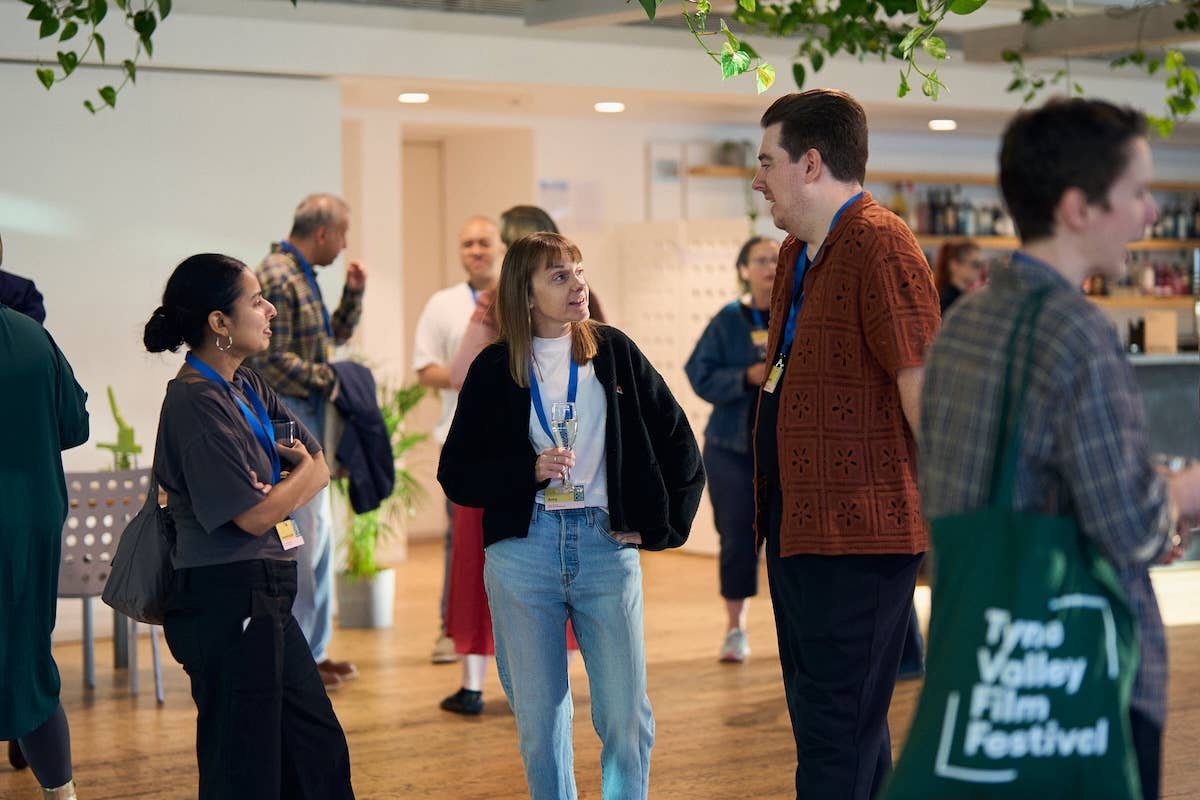
The FAN CON social involved darts and karaoke. I beat three male colleagues at darts — doing my bit for feminism and the Midlands — before discovering there are few more effective team-building exercises than enthusiastically belting out karaoke with people you know professionally but have never previously performed alongside (shout out to Rachel Hayward, Creative Director of HOME).
Between archive film, African cinema, climate programming, VR headsets, darts and questionable singing, I came away from FAN CON with a fairly simple thought.
Whether you’re building an audience, changing an archive, experimenting with technology or just getting to know the people you work alongside, the interesting stuff rarely happens instantly.
Sometimes you have to give it a bit of time.