
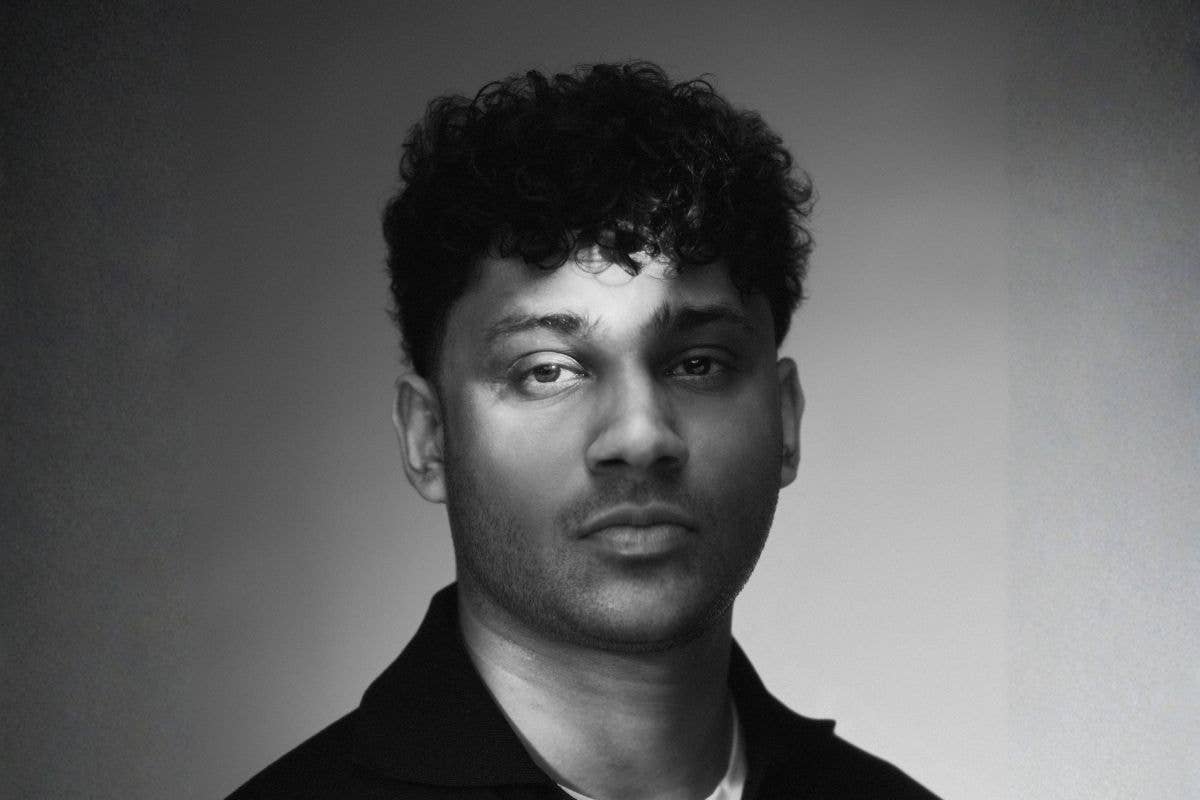
Filmwire Spotlight: Mos Hannan
Based in London, director Mos Hannan has spent the past few years working with colleague Usayd Younis on the powerful documentary After Eight: The Satpal Ram Story. After Eight details the upsetting case of Satpal Ram, a South Asian man assaulted in the mid-80s at an Indian restaurant in Handsworth and then unjustly imprisoned for over a decade. Before the film’s Birmingham premiere as part of this year’s Flatpack Festival back in May, we talked to Mos Hannan about Satpal’s story and why it was so personal to him.
Is this Flatpack screening your first screening in Birmingham?
Yeah, it is. That’s a big deal for me and [co-director] Usayd Younis. It’s a Brummie story, Satpal’s from Handsworth. The campaign started in Birmingham, so it’s nice to finally bring it here. The film took so long to make, so it’s great for the people who were involved in the early days grassroots to finally get their eyes on it.
So how long did it actually take to make After Eight?
Four and a half years. There are many reasons why and one of them is Satpal himself. It’s hard to imagine exactly what he went through. Not only the physical abuse, but psychologically he had taken a battering. Convincing Satpal to speak took the bulk of the four years in making this film. Reopening old wounds was difficult for Satpal. He’s one of the most moved around prisoners in British penal history. He was in segregation for eight years and he suffered a lot of abuse. Us as filmmakers, that comes with a lot of due diligence, working with a vulnerable contributor. What worked well for us was working with the organisation Film In Mind, a therapy service for filmmakers whether individuals, teams or contributors. They were incredibly useful for us to use for our contributors as well as our navigation through the difficult access this film entailed. He was often worried about how he’d be perceived as his health has been severely affected by the violence he endured in prison, alongside the paranoia of still being on life license. What got us to the finish line were the friends who remained deeply connected to Satpal over the years and managed to support him to the end of this process.
Is he no longer on life licence?
They relaxed all his licence conditions in late 2025. That was a big step forward for him, because until then, he was still tethered to the system. In a way he still is and the paranoia will always still be there, but now he doesn’t have to report where he’s going all the time.
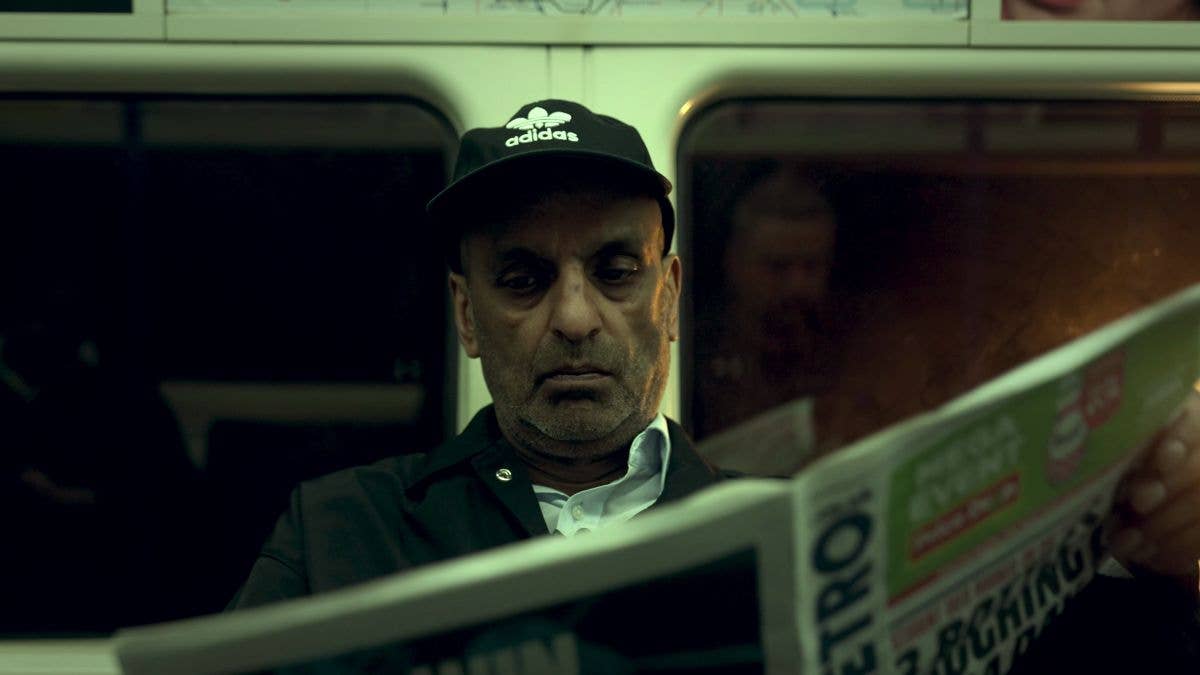
What about Satpal’s story drew you to make a documentary about him?
Satpal was attacked in an Indian restaurant in Birmingham. My father owned a restaurant which I grew up working in and around the same time Satpal was attacked, he too was violently assaulted and hospitalised. Chicken tikka massala is considered a national cuisine of the UK, but there’s another side to that story, which is the racial violence that these venues suffered from in the 60s up to the 90s. That post-pub curry culture, it’s not been documented very well, so there was a real desire to tell Satpal’s story, especially with the facts around the case, the international campaign and his relentless fight to clear his name. Me and Usayd both knew we really needed to tell this story while he’s still around.
Has it been a tough process?
It was difficult, there was a lot of back and forth over the years. The truth is Satpal is a deeply traumatised person. This required a lot of patience, support and ensuring Satpal felt safe throughout every step of the process. We’re approaching the story 25 to 30 years on, so it’s not just him but the campaigners too. A lot of people had moved on and the campaigners had a lot of trauma in regards to the campaigning work they did as well. The film is just as much about them as about him. But despite this, Satpal was a larger than life character and would often make me laugh. We had some good moments over the years of making After Eight. It was a pleasure and an honour to spend a lot of time with him, getting to know his life, family and friends.
Is that difference of how you both see his story a generational thing?
Someone like Satpal never wanted to be in the limelight, he was thrust into it. And being in the spotlight was his only way of getting justice. He doesn’t have to do it anymore, so I think that’s part of the reason. He just wants to live a quiet life and media presence comes with a lot of anxiety. But while I was editing the film, the 2024 race riots were kicking off and Indian takeaways and curry houses were being set ablaze. Satpal was attacked after the Handsworth riots, and it really just felt like a cycle. You ask the question, ‘How far have we really come?
Do you feel a heavy responsibility when you’re telling somebody else’s story?
Absolutely. There are so many different dimensions to Satpal’s case. He suffered literally every kind of injustice you can get in the penal system. At the initial trial he wasn’t able to speak and the waiters in the restaurant during the attack couldn’t speak either because of a language barrier. The judge ‘interpreted’ for them, even though he didn’t speak Bengali. It’s absurd! He had the Home Secretary overturn his release. He was moved from prison to prison. They call that the ‘ghost train’, where you’re moved every 28 days. The average life sentence prisoner gets moved 6 times, and Satpal was moved over 80 times. It’s completely inhumane and it takes about a month to settle into a prison, so moving him so often was designed to create fear and anxiety. He took beatings from guards, there are photos of him barely conscious and bleeding, his face swollen. So this all comes with a pressure to get it right, to demonstrate the injustice he suffered. That’s tough to show in just thirty minutes. I’m always nervous before a screening in case somebody says I didn’t get it right. However, responses were extremely positive, emotional and reassuring, especially from his previous campaigners. I even had one gentleman approach me after our premiere, holding on to my hand expressing how much he resonated with Satpal’s story, having been inside himself. Reactions like that are very encouraging.
Are documentaries your focus as a filmmaker?
Yeah, I think that’s where I’ll stay for now. I believe film and documentaries function as a democratising tool whereby we can present real, dignified images of ourselves. Being a non-white British-Muslim, we’ve been bastardised in Western media for decades. Controlling our own narrative is crucial to combating oppressive stereotypes and reshaping public images of ourselves. This led me to becoming a filmmaker as I wanted to tell my own stories and in a way that I felt was authentic and true to who we are.
This interview featured in the May edition of Filmwire. Sign up for the Filmwire newsletter to stay in the loop on all the latest Midlands film happenings.