
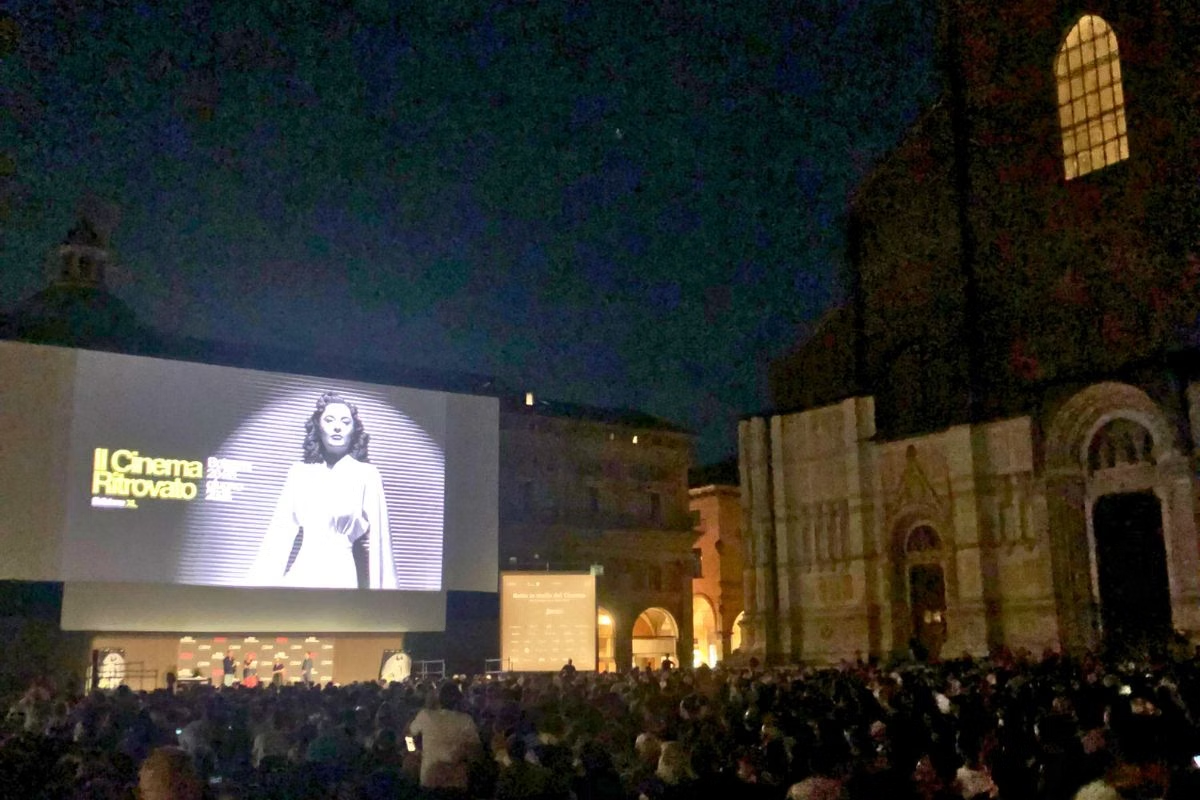
Il Cinema Ritrovato
While the future of cinema has been going through one of its regular periods of uncertainty since the pandemic, its past has been thriving.
Young audiences for rep programming are on the up, film on film has made a bit of a comeback, and advances in digital technology have continued to open up huge, previously inaccessible areas of the archive. The boom is also reflected in demand for passes at Il Cinema Ritrovato, Bologna’s world-leading destination event for new restorations, where this year festival regulars could be heard grumbling about lengthening queues and the difficulty of getting access to some screenings.
As a johnny-come-lately I was pretty happy with my success rate, and my principal reaction was: ‘Bologna, where have you been all my life?’ For a start, the city itself is a joy. There’s an approachable, unassuming vibe that you don’t get in many Italian cities. (A bit like Birmingham, though the similarities probably end there.) The food is great, the architecture lovely, and at the heart of it sits a festival which manages to be exquisitely niche while pulling in massive crowds.
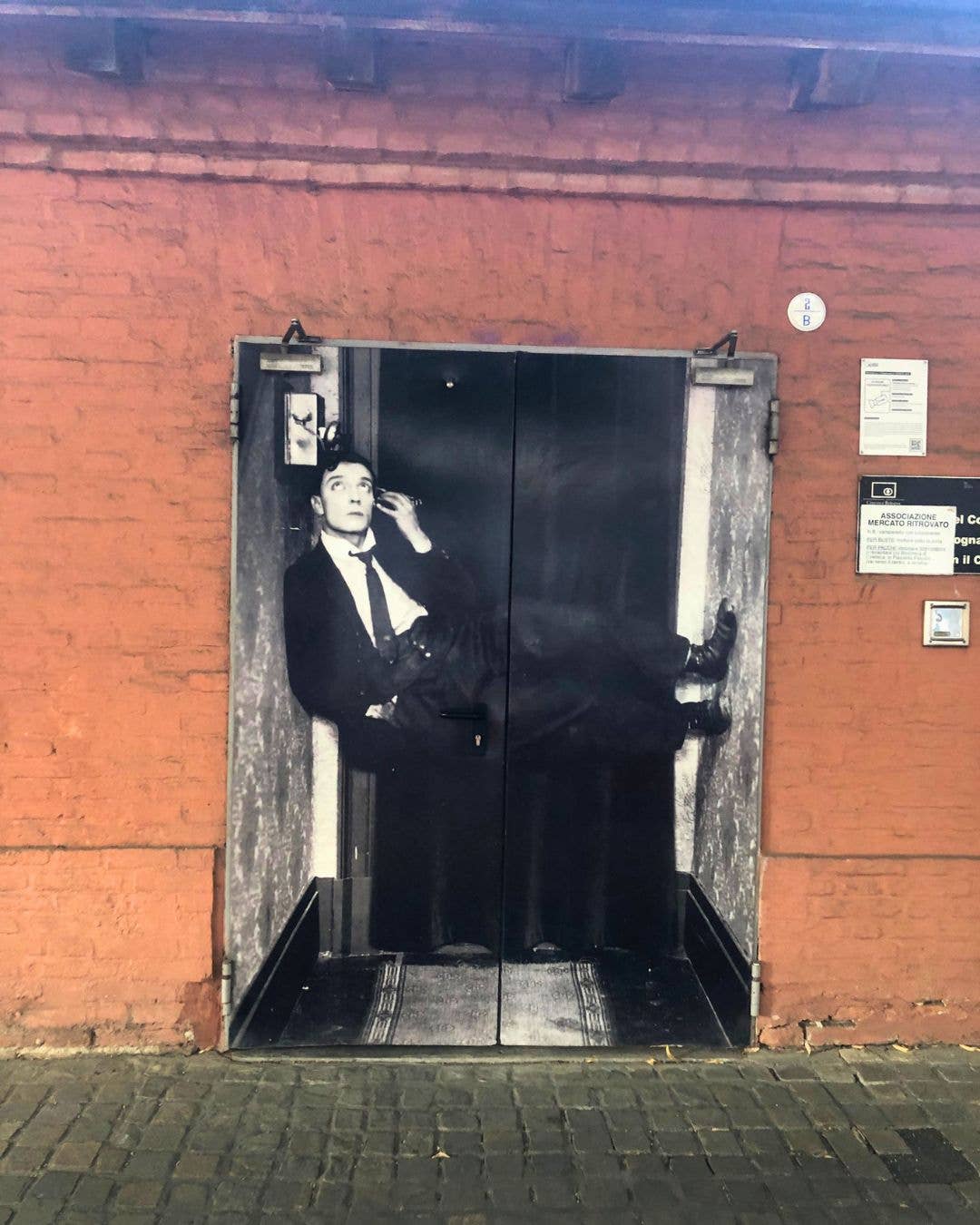
Buster Keaton hanging out in a doorway
Buster Keaton hanging out in a doorway
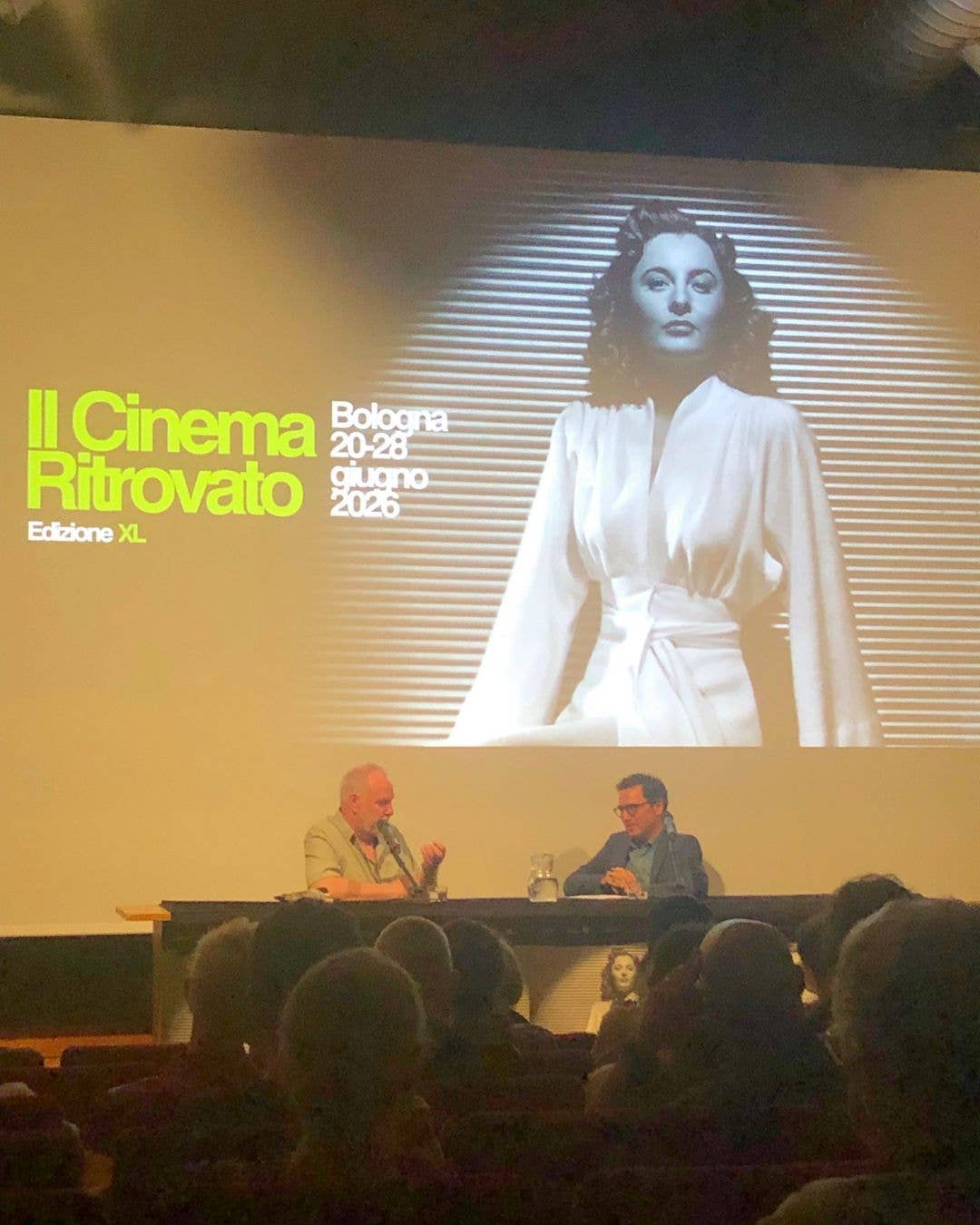
Q&A with Guy Maddin
Q&A with Guy Maddin
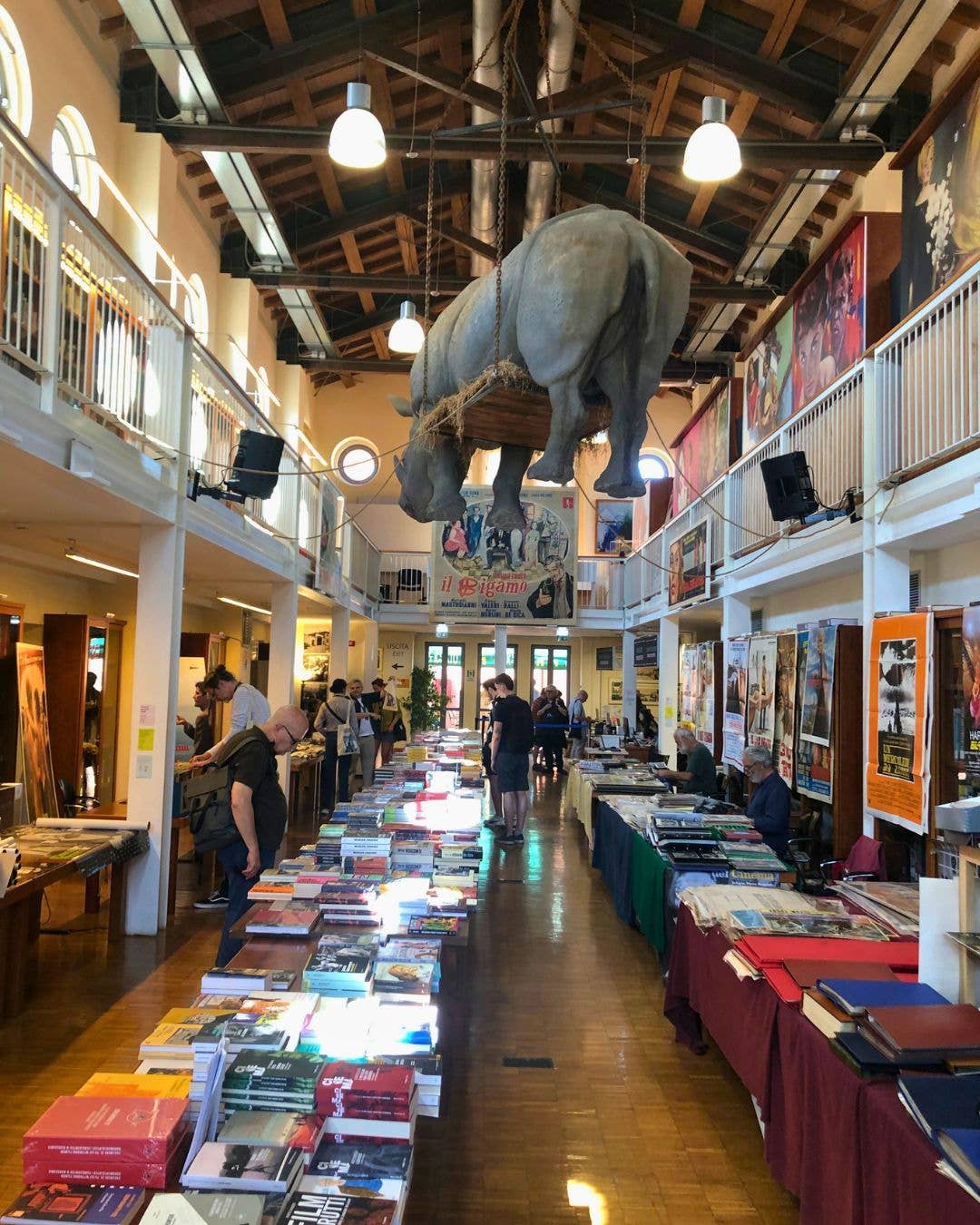
Festival HQ: Cineteca di Bologna
Festival HQ: Cineteca di Bologna
The key to this broader reach is Il Cinema Ritrovato’s use of the Piazza Maggiore, where headline screenings take place every night under the stars for audiences of 3-4000. A central location doesn’t have to mean mainstream programming. My favourite evening in the square was spent watching Finnish 1927 drama Curses of the Witch with a percussive live score by Cleaning Women (also Finnish). Beautiful colour-tinted shots of snow and ice have an extra frisson when the temperature is over 30. Throw in a punnet of cherries, a bottle of wine and the moon rising over the basilica, and you’ve got the recipe for cinematic bliss.
Retreating indoors, where most of the venues were happily air conditioned, there was an embarrassment of riches to choose from. Stand-outs included a newly restored 35mm print of the counterculture comedy Putney Swope (dir: Robert Downey Sr), about a Black Power takeover of an ad agency, and surrealist fable A Well for the Thirsty (dir: Yuri Ilyenko), made in Ukraine in 1965 but suppressed by the Soviet authorities for twenty years. This stunning 4K restoration was made possible by archive-whisperer Daniel Bird – a recent Flatpack contributor with A Cage in Search of a Nightingale. Talking to Daniel and colleagues between screenings, I learnt more about the intensive and complex labour that goes into these rediscoveries. Not just painstaking frame-by-frame restoration, but the fine art of haggling with institutions and politicians, moving prints across borders, and navigating today’s combustible geopolitical climate in order to dig up lost classics.
Borders were a recurring theme. In 1941 drama Hold Back the Dawn Charles Boyer is Georges, a Romanian con artist stuck in limbo in a Mexican border town, with Olivia de Havilland as malleable schoolteacher Emmy who might be his ticket to a US visa. Billy Wilder co-wrote the script with Charles Brackett, and his acid touch is much in evidence. One exchange in particular raised a knowing chuckle:
Emmy: 'This is America! For the Rockefellers and the Joneses. For the McGonigles and the Frankfurters. For the Jeffersons and the Slavinskis. You see, it's like a lake. Clear and fresh and it'll never get stagnant while new streams are flowing in.'
Georges: 'Well, your people are building pretty high dams to stop those streams.'
Emmy: 'Just to keep out the scum, Georges.'
This was part of a comprehensive retrospective for the underrated and reliably classy Mitchell Leisen. One screening had a moving intro from the legendary writer and curator Ian Christie, who had been involved in the first Leisen season at the NFT back in the 70s. One moment among many where you were reminded of the ‘philia’ in ‘cinephilia’ – the decades of love and care that have gone into ensuring we can still enjoy these films in the manner the makers intended.
One final treat before catching my plane home – Pakeezah. I’d first seen Kamal Amrohi’s 1972 film on 35mm as part of an Indian cinema course at Warwick University in the mid-90s, and only in ropey DVD form since then. This epic tale of a courtesan in the ‘Muslim social’ genre had a similarly epic 15-year production history, with delays caused by addiction, war and the separation of director Amrohi and star Meena Kumari. (The film has extra resonance now, given that the mainstream Indian film industry has effectively become a mouthpiece for Hindu nationalism in recent years.) Bringing it back to the screen has also been a torturous process, and Shivendra Singh Dungarpur from the Film Heritage Foundation spoke with pride about the results and the opportunity to bring it to Bologna. ‘There’s no other festival like this, where we can celebrate cinema and forget what country we come from.’
Inspired to attend a film festival? If you work or volunteer for a film exhibition organisation you might be eligible for a bursary. Find out more about Film Hub Midlands bursaries here.